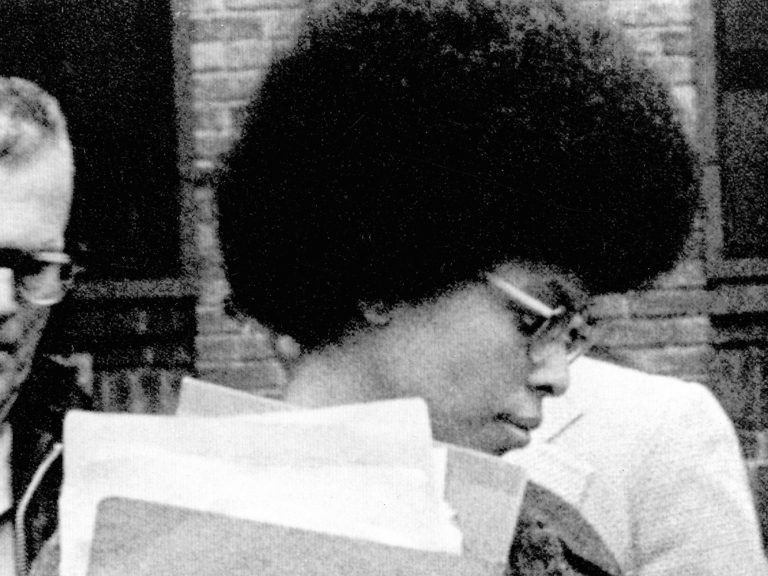
Assata Olugbala Shakur, a central figure in the Black liberation struggle, has died at the age of 78. A former member of the Black Panther Party and the Black Liberation Army, Shakur devoted her life to challenging systemic racism, state violence, and oppression in the United States.
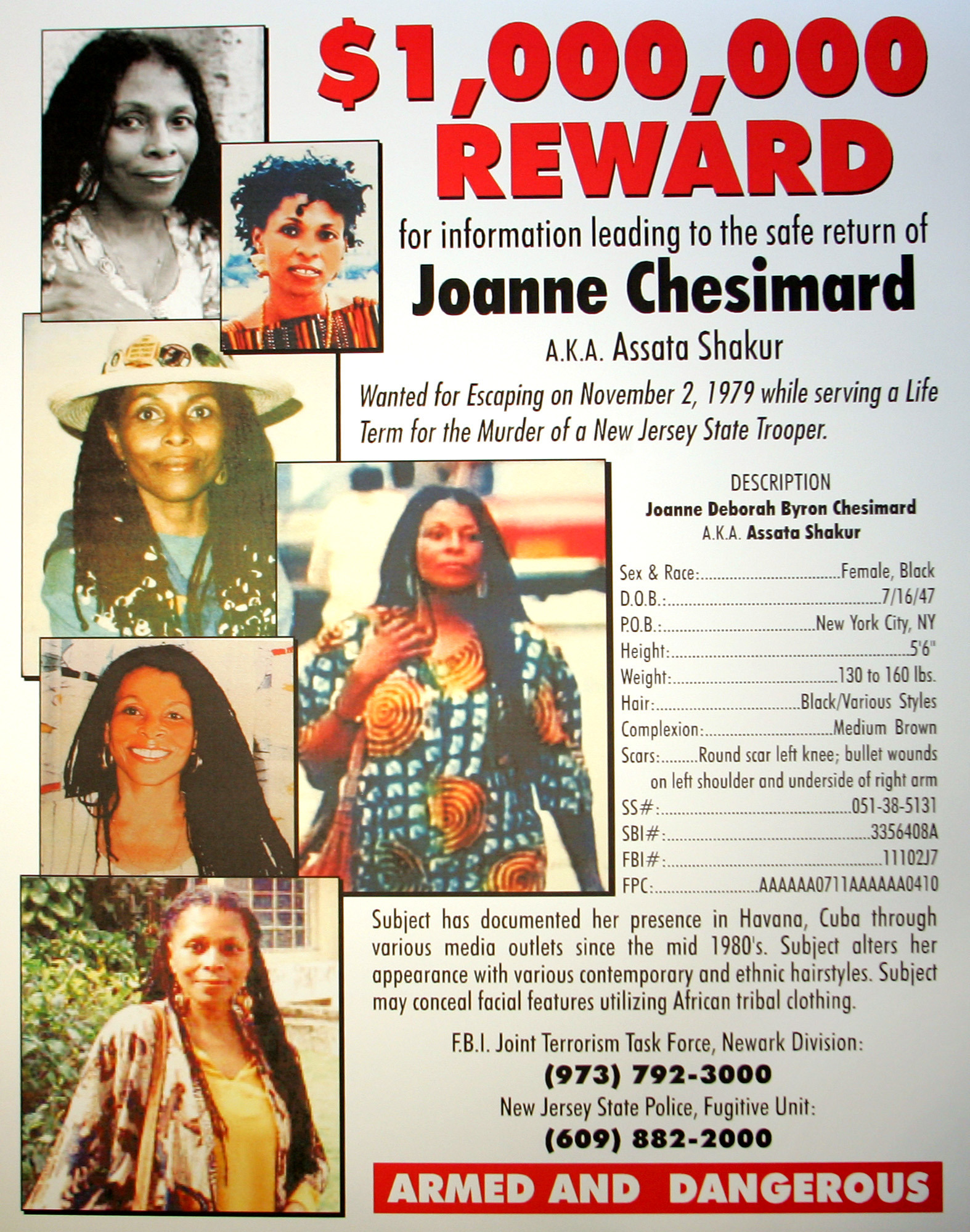
Her journey was as controversial as it was influential. Convicted in connection with the 1973 New Jersey Turnpike shooting, Shakur escaped prison in 1979 and later received asylum in Cuba, where she lived in exile for decades. While her critics viewed her as a fugitive, supporters embraced her as a symbol of resistance against racial injustice.
Shakur’s autobiography, Assata: An Autobiography, remains a cornerstone of political literature, inspiring generations of organizers, scholars, and activists. Her words and experiences continue to guide those committed to the fight for freedom and dignity.
“Part of being a revolutionary is creating a vision that is more humane. That is more fun, too. That is more loving. It’s really working to create something beautiful,” Shakur once said.
Her unwavering belief in justice, solidarity, and liberation ensures that her influence will endure far beyond her passing.