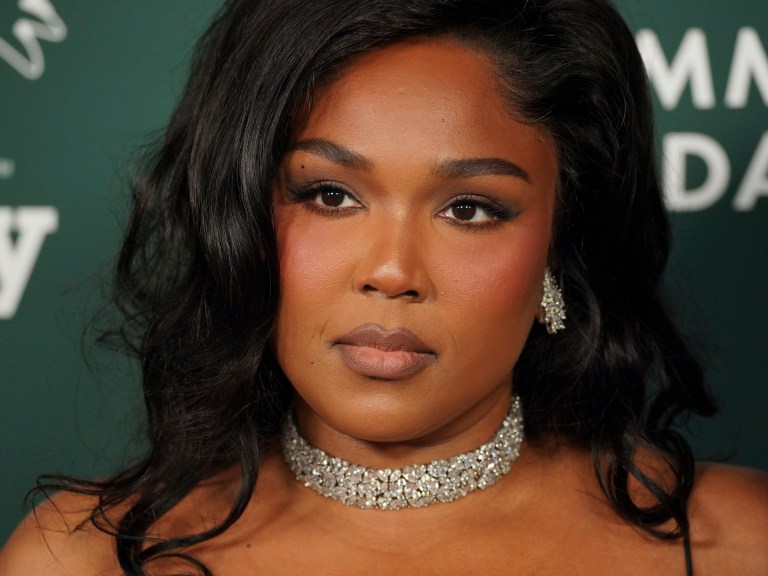
Lizzo secured a partial legal victory after three former backup dancers dropped their fat-shaming claims against the Grammy-winning artist, marking a key development in a lawsuit that has drawn national attention.
The lawsuit, originally filed in 2023, accused Lizzo of sexual harassment and creating a hostile work environment during her Special Tour. Central to the latest ruling, Lizzo’s attorneys argued that the fat-shaming allegations had no factual basis. They submitted sworn statements from 18 witnesses who directly refuted the claims.
In February, Los Angeles Superior Court Judge Mark H. Epstein dismissed the fat-shaming accusations under California’s anti-SLAPP law, which is designed to prevent lawsuits from limiting free speech. Lizzo’s legal team has maintained that the dismissed claims were unsupported and says it looks forward to the Court of Appeals addressing the remaining issues.
However, the case is far from over. The lawsuit still includes serious allegations of sexual harassment. The former dancers allege Lizzo pressured them to attend adult entertainment venues, interact with nude performers, and participate in sexually explicit activities, including eating fruit from performers’ genitals.
Lizzo’s attorneys have pushed back, arguing that these group outings were voluntary and tied to the singer’s creative process. They’ve also sought First Amendment protections, stating the activities were connected to artistic expression. The dancers’ attorney strongly disagreed, arguing there was no meaningful link between the alleged sexual conduct and Lizzo’s music or performances.
Judge Epstein ruled that the sexual harassment and false imprisonment claims could move forward toward trial. Lizzo is currently appealing that decision.
Adding to Lizzo’s legal challenges, a separate lawsuit filed by wardrobe designer Asha Daniels remains pending. Daniels alleges a “culture of racism and bullying” during the tour and has named Lizzo’s company, Big Grrrl Touring, as a defendant.
As the appeals process continues, the case remains a closely watched legal battle that could have broader implications for workplace standards in the entertainment industry.