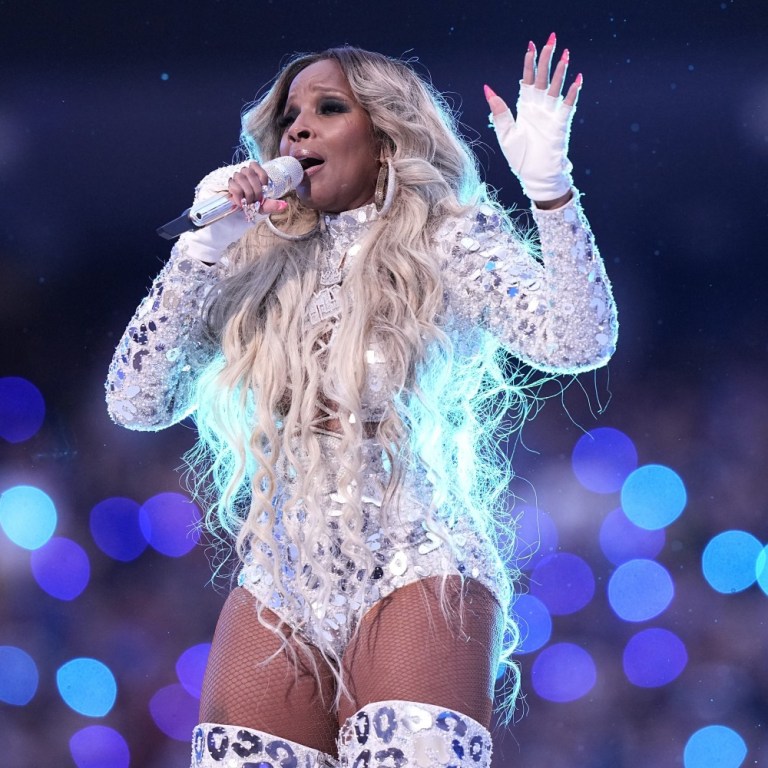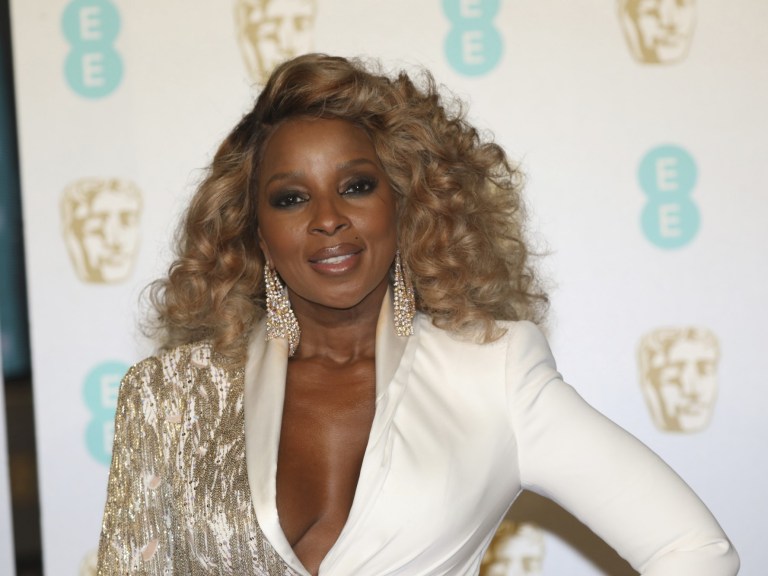
Mary J. Blige is trending after resurfaced comments about her early career behavior reignited public conversation. The Grammy-winning artist openly admitted she was once a “monster” during her rise to fame, specifically reflecting on her No More Drama era, and says she has since worked to make amends with those she mistreated.
However, journalist Touré is challenging that narrative. He recently shared that he never received an apology from Blige following what he described as a dismissive and humiliating encounter during a 1990s interview assignment. His account adds a different layer to the singer’s public statements about growth and accountability.
The renewed attention also brings back criticism from Blige’s 2012 partnership with Burger King, where a commercial drew backlash for reinforcing racial stereotypes. At the time, Blige attributed the controversy to poor management and a lack of proper representation.
Now, with multiple moments from her past under scrutiny, the conversation has expanded beyond one artist. It’s raising broader questions about accountability, public apologies, and whether healing requires acknowledgment from both sides. While apologies can be powerful, they don’t always land the same, especially when the people involved feel they were never truly heard.